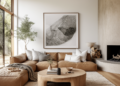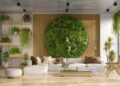

As The Signature Style of Ventura Interior Design: A Deep Dive into Texture and Light takes center stage, this opening passage beckons readers with casual formal language style into a world crafted with good knowledge, ensuring a reading experience that is both absorbing and distinctly original.
The topic of Ventura Interior Design is a fascinating exploration of how texture and light play pivotal roles in shaping the ambiance of a space. By delving into these elements, we unravel the secrets behind creating truly remarkable interiors.
Introduction to Ventura Interior Design
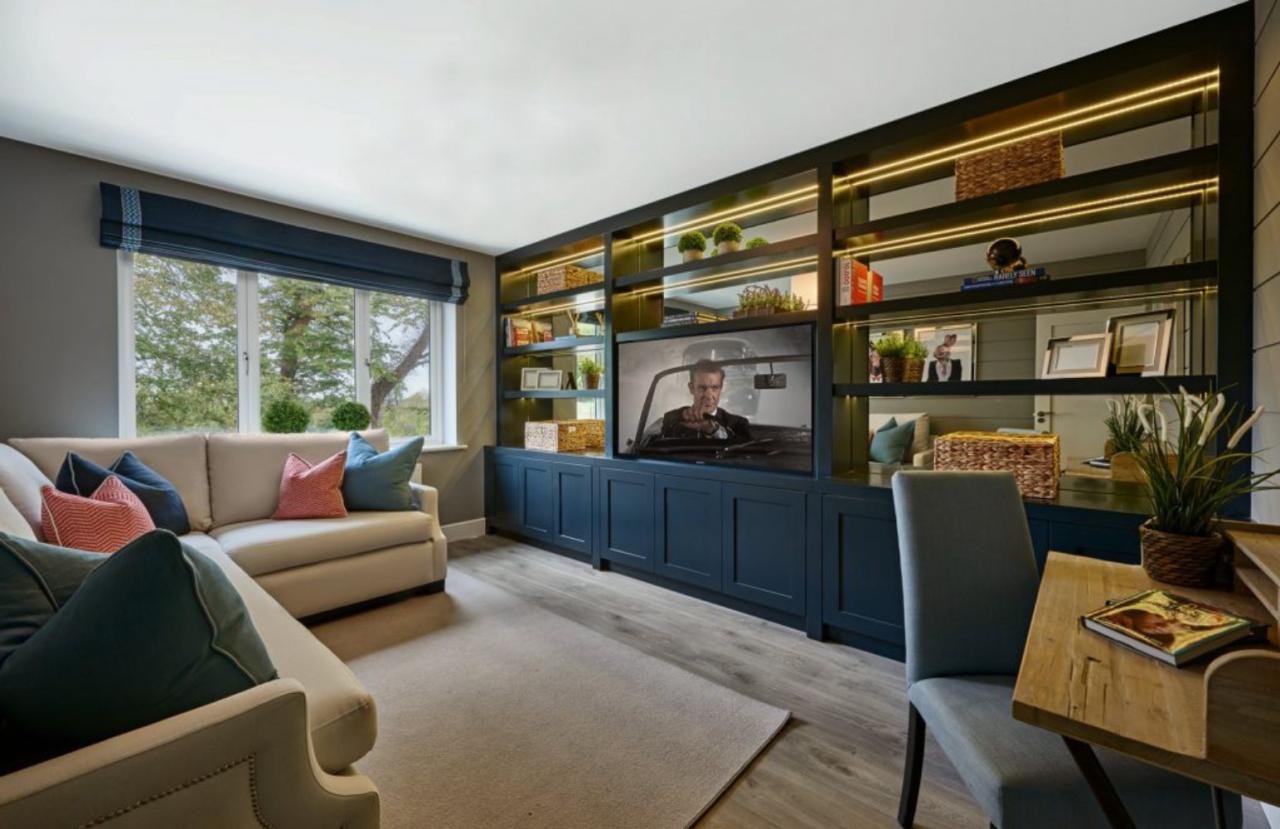
Ventura Interior Design is a style that focuses on creating spaces that are not only aesthetically pleasing but also functional and comfortable. It is characterized by a harmonious blend of textures, colors, and lighting to enhance the overall atmosphere of a room.
Texture and light play a crucial role in interior design as they have the power to completely transform a space. Texture adds depth and visual interest, while light can create ambiance, highlight architectural features, and affect the mood of a room.
Significance of Texture in Ventura Interior Design
- Textured walls can add warmth and dimension to a room, making it feel more inviting.
- Using a variety of textures such as wood, metal, and fabric can create a rich and layered look.
- Textured rugs, throws, and pillows can add tactile comfort and visual appeal to a space.
Importance of Light in Ventura Interior Design
- Natural light can make a room feel more spacious and open, enhancing the overall design.
- Strategically placed artificial lighting fixtures can highlight key elements of a room and create a cozy atmosphere.
- Layering light sources such as overhead lights, table lamps, and wall sconces can add depth and dimension to a space.
The Role of Texture in Ventura Interior Design
Texture plays a crucial role in Ventura Interior Design, adding depth, visual interest, and a tactile experience to spaces. Different textures are carefully selected and combined to enhance the overall aesthetic of a room.
Textiles and Fabrics
Textiles and fabrics are commonly used to introduce softness and warmth to a space. Plush velvet sofas, cozy wool rugs, and luxurious silk curtains are just a few examples of how textiles can create a sense of comfort and elegance in a room.
Finishes and Surfaces
The choice of finishes and surfaces can significantly impact the texture of a space. Rough stone walls, glossy marble countertops, and matte wood floors each add a unique tactile quality to a room. By combining different finishes, designers can create a dynamic interplay of textures that elevate the design.
Materials Selection
The selection of materials such as metal, glass, concrete, and wood also influences the texture of a room. Each material has its own unique texture, whether it's the smoothness of glass or the roughness of concrete. Mixing and matching materials allows designers to create visually engaging spaces with varying textures.
The Importance of Light in Interior Design
Natural light versus artificial light plays a crucial role in interior design, impacting the overall look and feel of a space. Light has the power to transform a room, creating different moods and atmospheres depending on its source and intensity.Impact of Natural Light versus Artificial Light
- Natural light: Creates a sense of warmth and openness, making spaces feel inviting and lively. It also enhances colors and textures, bringing out the true beauty of the design elements.
- Artificial light: Allows for control over the intensity and direction of light, offering flexibility in creating different ambiances. It can be used to highlight specific areas or objects within a room.
How Light Influences the Mood and Atmosphere of a Room
Lighting can drastically change the perception of a space, influencing the mood and atmosphere within it.- Soft, warm light: Creates a cozy and intimate atmosphere, perfect for relaxation and unwinding.
- Bright, white light: Enhances focus and productivity, ideal for workspaces or areas where tasks need to be performed.
- Dim, ambient light: Sets a calming and soothing mood, great for bedrooms or areas meant for relaxation.
Maximizing Light in Interior Spaces
- Utilize mirrors: Place mirrors strategically to reflect natural light and amplify its presence in the room.
- Choose light colors: Opt for light-colored walls and furniture to bounce light around the space, making it feel brighter and more spacious.
- Layer lighting: Combine different types of lighting (ambient, task, accent) to create depth and dimension, enhancing the overall design.
Integrating Texture and Light in Ventura Interior Design
In Ventura Interior Design, the integration of texture and light plays a crucial role in creating a well-balanced and visually appealing space. When used harmoniously, texture and light can enhance each other, adding depth and dimension to the design.
Balancing Texture and Light for Cohesive Design
When incorporating texture and light into a design, it is essential to strike a balance to ensure a cohesive look. Too much texture or light in one area can overwhelm the space, while too little can make it feel flat and uninspired. Here are some tips to help you achieve a harmonious balance:
- Consider the function of the space: Different textures and lighting fixtures work better in certain areas of a room depending on their purpose. For example, soft textures and warm lighting may be more suitable for a cozy living room, while sleek textures and bright lighting may be ideal for a modern kitchen.
- Layer textures: Mix and match different textures such as smooth, rough, shiny, and matte to create visual interest. Similarly, layering different types of lighting, such as ambient, task, and accent lighting, can add depth to the space.
- Use lighting to highlight textures: Directional lighting can be used to enhance specific textures in a room, drawing attention to architectural features or decorative elements.
- Consider natural light: Incorporating natural light into the design can help showcase textures and create a warm, inviting atmosphere. Use sheer curtains or blinds to control the amount of light entering the space.
Successful Design Examples
Here are some examples of successful designs that effectively integrate texture and light in Ventura Interior Design:
| Example 1: A living room featuring a mix of plush velvet upholstery, a textured wool rug, and a combination of recessed lighting and floor lamps to create a cozy and inviting ambiance. |
| Example 2: A modern kitchen with sleek stainless steel appliances, glossy marble countertops, and pendant lights that illuminate the different textures and finishes in the space. |
| Example 3: A bedroom designed with a combination of soft linen bedding, a rustic wooden bed frame, and a statement chandelier that casts a warm glow, highlighting the tactile elements in the room. |
Wrap-Up
In conclusion, The Signature Style of Ventura Interior Design: A Deep Dive into Texture and Light unveils the intricate dance between texture and light, showcasing their transformative power in the realm of design. By mastering the art of balancing these elements, one can craft spaces that not only please the eye but also nourish the soul.
Query Resolution
How does texture impact the overall design aesthetic?
Texture adds depth and visual interest to a space, creating a dynamic and layered environment that engages the senses.
What is the significance of natural light in interior design?
Natural light not only illuminates a space but also enhances colors and textures, bringing a sense of warmth and vitality to the room.
How can one effectively balance texture and light in a design scheme?
Achieving a harmonious balance involves playing with contrasting textures and strategically placing light sources to highlight focal points while maintaining a cohesive look.